


Key Takeaways
- Winning a legal claim does not guarantee recovery. Timing, jurisdiction, available security and the counterparty’s assets matter just as much.
- Acting late can cost a claimant the chance to secure the claim. A vessel may leave the jurisdiction before anyone moves.
- Contracts, correspondence and shipping documents decide how strong a claim is. Preserve them in the first 24 to 48 hours.
- A foreign arbitration clause does not always rule out action in India. Security or recovery may need separate proceedings.
- Plan for enforcement from day one, not only for the legal merits.
Why Is a Maritime Claim Hard to Recover in India?
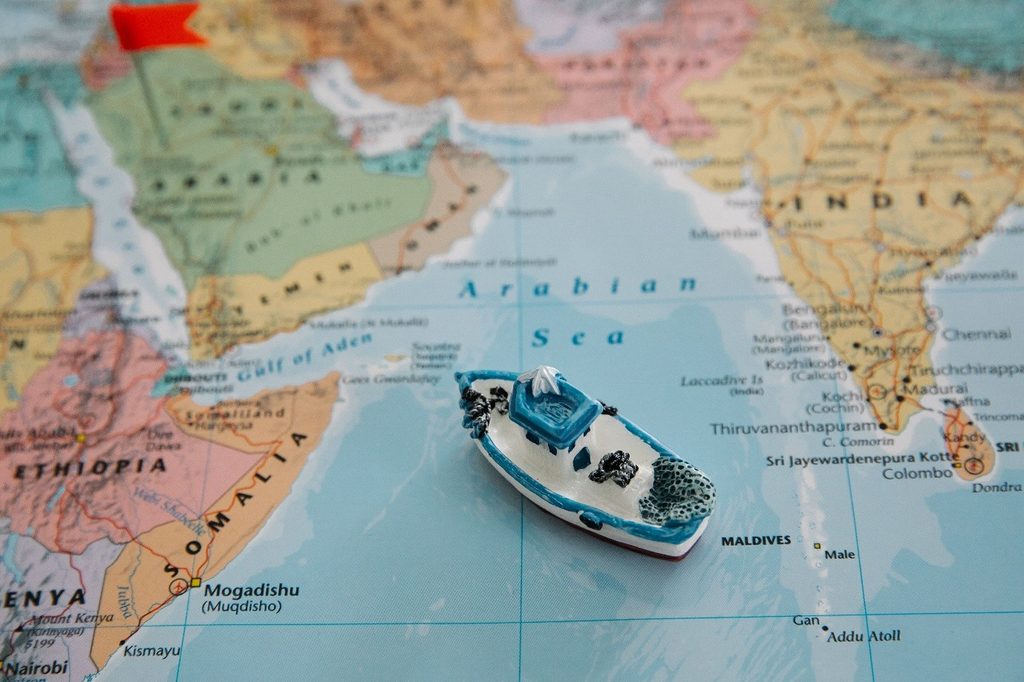
Winning a maritime claim does not guarantee recovery, because timing, jurisdiction, security, and the counterparty’s assets decide whether you are paid.
A shipowner, charterer, or cargo interest may hold a valid claim. Yet the vessel moves from port to port. The counterparty may have few reachable assets and the contract may send the dispute to another country.
This is where vessel arrest in India becomes important. Arrest can turn a ship into security for a claim. But it is not automatic, and it is not available for every unpaid invoice.
This guide explains how vessel arrest, maritime claims, and cross-border maritime dispute resolution fit together under Indian admiralty law. It draws on the practical insights of Globe Law & Co LLP, which runs a maritime and shipping law practice.
What Is Vessel Arrest Under Indian Admiralty Law?
Vessel arrest is a court-ordered detention or restriction on a vessel’s departure. Its purpose is to secure a maritime claim or to enforce a judgment or order.
The Admiralty (Jurisdiction and Settlement of Maritime Claims) Act, 2017, often called the Admiralty Act 2017, is the principal statute. It came into force on 1 April 2018.
Section 4 lists the maritime claims within admiralty jurisdiction. Section 5 lets the High Court order the arrest of a vessel within its jurisdiction as security for a maritime claim.
However, the relevant High Court matters. Admiralty jurisdiction sits with the High Courts of Bombay, Calcutta, Madras, Karnataka, Gujarat, Orissa, Kerala and Hyderabad. The vessel must be within the court’s jurisdiction, so its location guides the choice of forum.
Ownership needs early attention as well. An arrest generally requires that the owner or demise charterer, at the time the claim arose, is liable for it. A claim against a time or voyage charterer therefore cannot ordinarily be secured by arresting the owner’s ship.
Security is the practical purpose of arrest. Once a vessel is held, release usually follows adequate security. The Act does not set out a release procedure, so court practice and each High Court’s admiralty rules matter. The Act also protects owners from unjustified arrest, so you can expect scrutiny of the claim.
Why does timing carry the greatest risk? Because a vessel may leave before a claimant acts. Evidence becomes harder to obtain, and opportunities to secure the claim can vanish quickly.
Globe Law & Co LLP assists clients in assessing the claim, the remedies available, and the jurisdictional issues. Ideally, that assessment happens before the vessel leaves an Indian port.
What Types of Maritime Claims and Shipping Disputes Can Arise in India?
Is every unpaid invoice a maritime claim? Not quite. The Act defines which claims count, and the contract and evidence decide how strong they are.
Common categories include:
- Charterparty disputes. These involve hire, off-hire, laytime, demurrage claims and performance of the voyage.
- Bills of lading disputes. These involve cargo liability, delivery, misdelivery, and the terms printed on the document.
- Unpaid freight. Carriers and charterers often disagree over who owes payment and when. Freight recovery depends on clear records.
- Cargo damage and shortage. These claims turn on survey reports, delivery records and evidence of condition.
- Bunker claims. Suppliers may need security quickly when payment stalls.
- Ship repair disputes. Yards and owners may disagree over scope, cost and payment.
Some clauses cause more trouble than others. Jurisdiction and arbitration clauses top the list. Demurrage, laytime, cargo liability, off-hire and limitation clauses follow closely.
Poor documentation weakens even a sound claim. Unclear terms make recovery harder. Records made at the time of events carry far more weight than reconstructions made later.
Early legal review separates claims that can be secured from those that need another route.
How Are Cross-Border Maritime Disputes and Foreign Arbitration Clauses Enforced?
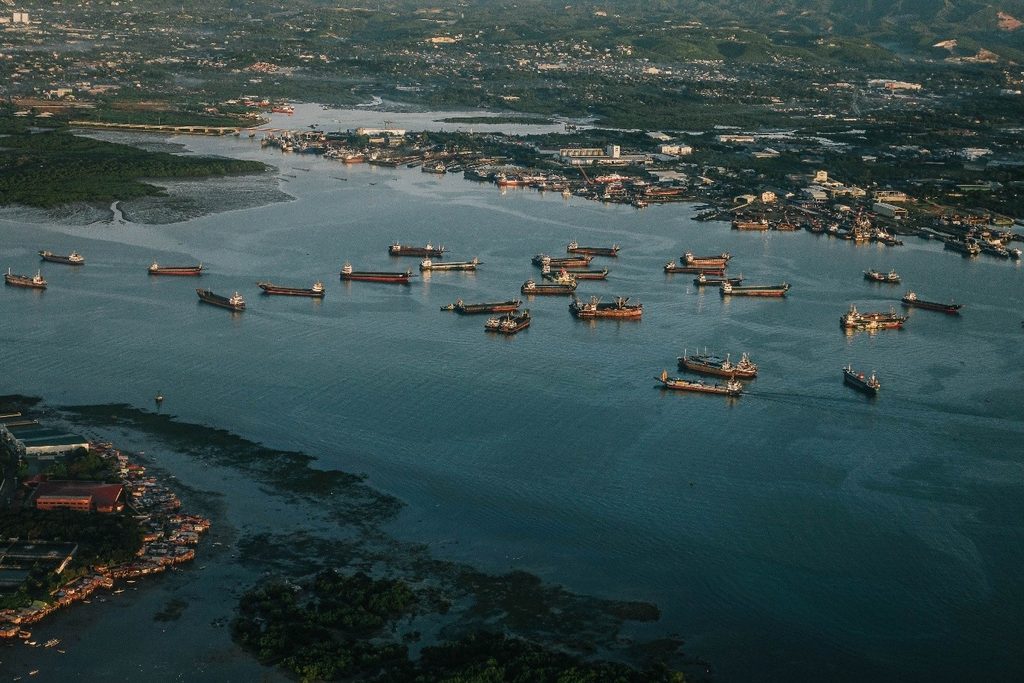
Shipping is international by nature, and a single voyage can involve an Indian cargo owner, a foreign shipowner and a charterparty governed by English law.
Does this mean a London or Singapore arbitration clause closes the door on India? Not necessarily. The contract may require the merits to be decided abroad. Security, or recovery against assets in India, may still need separate action here.
Indian courts, including the Bombay High Court, have allowed arrest to secure a claim that will be arbitrated abroad. The conditions for arrest must still be met. That position rests on judicial decisions, not an express provision of the Act.
Several issues should be assessed together:
- The governing law of the contract
- The jurisdiction and arbitration clauses
- Interim relief in India, where legally available
- The route to enforcing any foreign award
Enforcement of maritime awards in India depends on Part II of the Arbitration and Conciliation Act, 1996, which governs foreign awards. Sections 44 to 52 give effect to the New York Convention. The award must come from a territory India has notified as reciprocating. London and Singapore both qualify. The party then applies to the High Court.
An award is only valuable if it can be enforced. Globe Law & Co LLP’s international arbitration practice can coordinate with foreign counsel, surveyors and other qualified professionals on cross-border maritime litigation.
How Do Marine Insurance, P&I Cover and Security Affect Maritime Claims?
Does insurance cover every shipping loss? It does not.
Coverage depends on the policy terms or club rules. It also depends on exclusions, warranties, notification requirements, and the facts. Hull and machinery insurance, cargo insurance, and P&I claims each involve different risks.
Late notice to an insurer or club is a frequent trap. Review the wording and notify the right party promptly.
Security for maritime claims and the order of priority also shape recovery. Where several creditors pursue one vessel, Sections 9 and 10 of the Act set the order. Maritime liens rank first, then registered mortgages, then other claims. Liens can also expire if not enforced in time.
Ask three practical questions early.
- Who stands behind the liability?
- What security is realistically available?
- How will payment follow once liability is established?
Globe Law & Co LLP assists with legal issues arising from maritime claims and marine insurance disputes within its agreed scope.
How Can Businesses Protect and Enforce Maritime Claims in India?
Where should a business begin when a shipping dispute breaks out? With the evidence, within the first 24 to 48 hours.
- Preserve evidence. Keep contracts, bills of lading, invoices, correspondence, and cargo records.
- Identify the vessel and the parties. Know who owns, operates, and charters the ship.
- Check notice and limitation periods. Missed deadlines can end a claim.
- Notify insurers where required. Late notice creates avoidable problems.
- Seek urgent legal advice. If a vessel may leave, speed matters.
After that, strategy depends on the facts. Options include negotiation, maritime arbitration, court proceedings or an appropriate maritime remedy. Interim relief may be considered where a vessel or other assets could become unavailable. The vessel arrest procedure also depends on the admiralty rules of the relevant High Court.
Enforcement should shape the plan from the start. Here, it’s important to know where assets sit and what security can be obtained. The route to enforcing a final decision should be clear before major costs are incurred.
Choose Globe Law & Co LLP for Maritime and Shipping Disputes in India
Facing a vessel arrest, an unpaid freight claim, or a cargo dispute and unsure where to turn?
At Globe Law & Co LLP, our maritime and shipping law team offers practical, strategic counsel for the global shipping industry. We combine dispute resolution, contract expertise and cross-border coordination to protect your commercial interests.
We act for shipowners, charterers, cargo interests, insurers, P&I clubs, brokers and vessel financiers. Our approach is simple. We understand the dispute and your objectives, build a tailored strategy, and pursue resolution through negotiation, mediation or arbitration. Our work has reached clients in more than 25 countries, supported by a global network of experts.
Whether you need support with vessel arrest, maritime claims, charterparty disputes, marine insurance matters, or arbitration, our team can guide you through the options. Learn more about our maritime and shipping law services.
We are based in three Mumbai locations: Fort, Kandivali, and Thane. Call +91-8369262393 or +91-9967546605, email, or use our contact form to book a consultation today.
Frequently Asked Questions About Vessel Arrest and Maritime Claims in India
1. What is vessel arrest under Indian admiralty law?
Vessel arrest is a court-ordered detention or restriction on a vessel’s departure. It secures a maritime claim or enforces a judgment or order. The Admiralty (Jurisdiction and Settlement of Maritime Claims) Act, 2017 provides the main framework, and Section 5 governs arrest. Whether arrest can be ordered depends on the claim, the vessel’s location, ownership requirements, and other legal conditions. Globe Law & Co LLP can assess the claim, the remedies, and the jurisdictional issues.
2. Which maritime claims can support vessel arrest in India?
Section 4 of the 2017 Act lists the maritime claims within admiralty jurisdiction. Depending on the facts, these may involve vessel use or hire, damage, cargo, freight, supplies, repairs, and mortgages. Not every unpaid invoice supports arrest. The claim must meet the statutory requirements, including the link between the claim, the liable party, and the vessel.
3. Which High Court has jurisdiction over a vessel arrest in India?
The right High Court depends on the vessel’s location and the court’s admiralty jurisdiction. The Act vests that jurisdiction in the High Courts of Bombay, Calcutta, Madras, Karnataka, Gujarat, Orissa, Kerala and Hyderabad. Choosing the correct forum and preparing the evidence are key parts of arrest strategy. Globe Law & Co LLP can assess the jurisdictional issues for a proposed claim.
4. What documents are needed to pursue a maritime claim?
The documents depend on the dispute. They often include the contract or charterparty, bills of lading, invoices, payment records, notices and correspondence. Cargo claims may also need survey reports, photographs and delivery records. Preserving these records early helps establish the contract, liability and the amount claimed. Globe Law & Co LLP can review the documents and identify gaps.
5. Can a vessel be arrested in India if the contract requires London or Singapore arbitration?
A foreign arbitration clause does not necessarily prevent arrest in India. Indian courts have allowed arrest to secure a claim that will be arbitrated abroad, provided the conditions for arrest are met. That position rests on judicial decisions rather than an express provision of the Act. Arrest is not automatic. The arbitration agreement, the claim and the ownership requirements should be assessed together.
6. What is the difference between a maritime claim and a maritime lien?
A maritime claim is a broad category of claim arising from specified maritime matters. A maritime lien is a distinct right that attaches to a vessel for certain recognised claims. Not every maritime claim is a lien. The distinction matters when several creditors pursue the same vessel or its sale proceeds. Section 9 sets the priority among liens. Section 10 sets the order among all maritime claims.
7. Does marine insurance or P&I cover every shipping loss?
No. Coverage depends on the policy or club rules, the risk insured, exclusions, conditions, and notification requirements. Hull and machinery, cargo, and P&I arrangements address different risks. Review the wording, notify the insurer or club as required, and preserve evidence before taking steps that could affect recovery. Globe Law & Co LLP assists with legal issues in maritime claims and marine insurance disputes within its agreed scope.
8. What should a business do in the first 24 to 48 hours of a shipping dispute?
Preserve contracts, bills of lading, invoices, correspondence and cargo records. Identify the vessel and the parties. Review notice and limitation requirements. Notify insurers where required. If a vessel may leave the jurisdiction, prompt legal assessment can help decide whether urgent relief or security should be considered.
9. How can a business recover unpaid freight or demurrage?
Recovery depends on the contract terms, the records, the liable party and the remedies available. Useful evidence includes freight invoices, charterparty provisions, statements of facts, laytime calculations and payment correspondence. Options may include negotiation, arbitration, court proceedings or a maritime remedy. An arrest should not be assumed available for every freight or demurrage claim. The statutory requirements and the practical prospects of recovery need review first.
10. How can Globe Law & Co LLP assist with maritime and shipping disputes?
Globe Law & Co LLP can assist with legal assessment, contract review, dispute strategy and proceedings within its competence and the agreed scope. Depending on the matter, this may involve arrest considerations, charterparty disputes, cargo claims, marine insurance issues, arbitration or cross-border coordination. Where needed, the firm may coordinate with qualified foreign counsel, maritime specialists and surveyors. Every matter needs its own assessment of merits, jurisdiction, security, evidence and recovery prospects.
Protecting Maritime Claims Requires More Than Legal Action
What is a favourable outcome worth if nothing can be recovered?
In maritime dispute resolution, establishing liability is only one part of recovery. Security, the location of the vessel and other assets, contract terms, jurisdiction and the quality of evidence all shape the available remedies.
Early assessment can help shipowners, charterers, cargo interests and maritime creditors to spot risks more readily and choose a sensible course. Judge every claim for timing, jurisdiction, security and enforceability, not just legal merit.
About the Author
Vishal Punwani is an Advocate of the High Court and the Founder Partner of Globe Law & Co LLP in Mumbai. He has more than two decades of experience in the legal profession. His practice areas include arbitration and mediation, corporate and litigation matters, banking and finance, insolvency and maritime disputes. Read his full profile.
Disclaimer: This blog post is for general informational purposes only and does not constitute legal advice. Reading it does not create a lawyer-client relationship with Globe Law & Co LLP. Laws and court practice change, and every matter depends on its own facts. Please obtain advice from a qualified lawyer before acting on anything in this article.